

The Hidden Reality of Widowhood in Nigeria: Economic Hardship, Legal Battles & Housing Insecurity
 Bodice Foundation
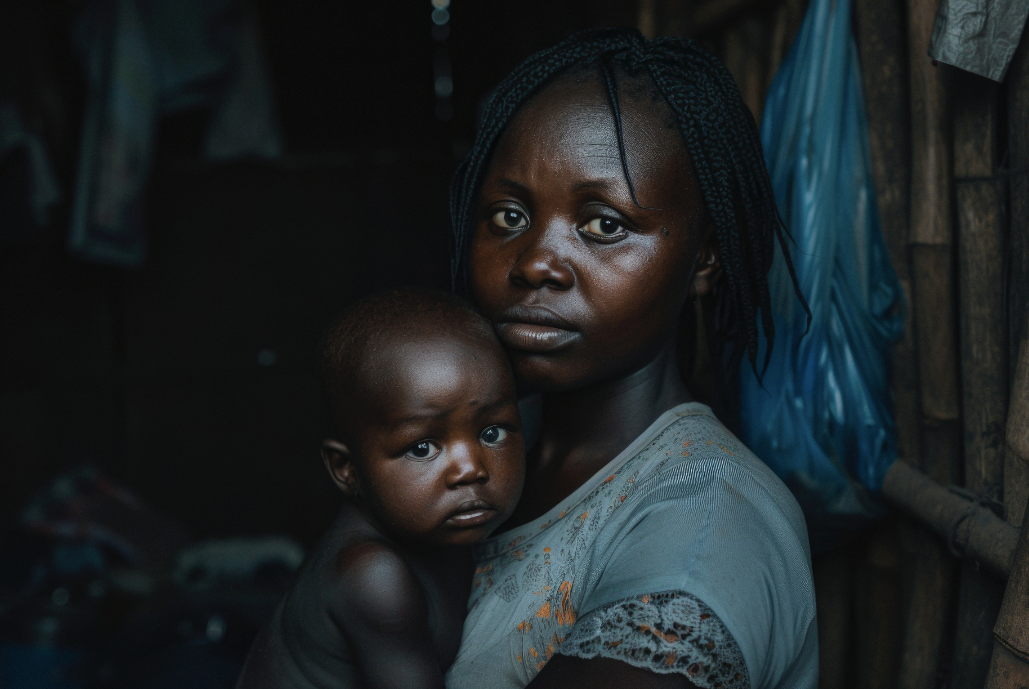
Widowhood in Nigeria is more than personal grief. For many women, it marks the beginning of financial instability, legal vulnerability, social isolation, and even homelessness.
According to the National Bureau of Statistics (NBS) and Nigeria’s Demographic data, millions of Nigerian women are widows, with poverty disproportionately affecting female-headed households. Studies across Sub-Saharan Africa consistently show that widows face higher rates of economic deprivation compared to married women.
This article explores the hidden realities widows face in Nigeria — and why structured support systems are urgently needed.

1. The Economic Realities Widows Face
When a husband dies in many Nigerian households, income often disappears overnight.
Immediate Financial Shock
In many homes, men are the primary earners. Without savings, insurance, or formal employment benefits, widows frequently experience:
Sudden loss of household income
Inability to pay rent
School fee disruption
Debt accumulation
Research from the World Bank has shown that female-headed households in developing economies are more likely to fall below the poverty line due to income inequality and limited access to capital.
Limited Access to Assets
Many widows:
Do not have property registered in their names
Lack access to bank accounts or financial documentation
Are excluded from business ownership structures
Without asset control, rebuilding financial stability becomes significantly harder.

2. Legal and Inheritance Struggles
Despite constitutional protections in Nigeria, customary laws in some communities still limit widows’ inheritance rights.
The Constitution of the Federal Republic of Nigeria (1999) prohibits discrimination based on sex. However, inheritance disputes often rely on customary practices.
In 2014, the Supreme Court of Nigeria ruled in Ukeje v. Ukeje that denying women inheritance rights is unconstitutional. Yet, enforcement challenges remain, especially in rural communities.
Widows commonly face:
Property seizure by extended family
Eviction from marital homes
Forced “inheritance” or harmful widowhood rites
Lengthy, expensive court battles
Many lack legal literacy or resources to pursue justice.
3. Social Stigma and Isolation
Beyond financial and legal hardship, widows often experience social marginalization.
In some communities, widowhood is accompanied by:
Blame or suspicion regarding the husband’s death
Exclusion from community decision-making
Restrictions on social participation
Emotional and psychological trauma
According to UN Women, harmful widowhood practices persist in parts of Sub-Saharan Africa, contributing to emotional distress and social exclusion.
Isolation worsens economic vulnerability because social networks are often critical for job access, childcare support, and business referrals.

4. Housing Insecurity: The Silent Crisis
Housing instability is one of the most immediate and devastating consequences of widowhood.
Without legal ownership or financial independence, many widows face:
Eviction from marital property
Inability to renew tenancy agreements
Relocation to overcrowded family homes
Homelessness
The United Nations Human Settlements Programme (UN-Habitat) has identified housing security as a key factor in preventing intergenerational poverty.
When housing becomes unstable:
Children’s education is disrupted
Safety risks increase
Emotional trauma deepens
Income recovery becomes harder
Housing is not just shelter. It is stability, dignity, and protection.
Why This Matters for Nigeria’s Future
When widows fall into poverty, children are often the next casualties. School dropout rates rise. Child labor risk increases. Long-term economic productivity declines.
Supporting widows is not charity — it is strategic community development.
A More Sustainable Approach
Effective intervention must address:
Immediate housing security
Legal protection and advocacy
Economic empowerment through skills and funding access
Emotional and community reintegration support
Holistic solutions prevent repeated crisis cycles.
How Structured Support Creates Real Change
At Bodice Foundation, the focus is not temporary relief. The goal is stability.
By prioritizing:
- Safe housing
Education continuity for children
Women empowerment initiatives
Community-based assistance
Long-term transformation becomes possible.
What You Can Do
Share awareness about inheritance rights
Support verified NGOs working with widows
Encourage property documentation and financial literacy
Advocate against harmful widowhood practices
Widowhood should not mean poverty.
It should not mean displacement.
It should not mean silence.
Frequently Asked Questions (SEO Optimization Section)
What rights does a widow have in Nigeria?
Under the Nigerian Constitution and Supreme Court rulings, women cannot be denied inheritance based on gender. However, customary law conflicts sometimes occur.
Can a widow be evicted from her husband’s property?
Legally, discriminatory eviction is unconstitutional. Practically, enforcement challenges remain in some communities.
How can widows access financial support in Nigeria?
Through NGOs, microfinance programs, community cooperatives, and empowerment initiatives.
Final Thoughts
Widowhood in Nigeria is often invisible until crisis strikes. Behind closed doors, many women are navigating grief, poverty, and displacement simultaneously.
Addressing widowhood with dignity, structure, and sustainability does not just change one life — it strengthens entire communities.
If you believe widows deserve stability, safety, and opportunity, support organizations creating structured, transparent impact.
Change begins with awareness — but it must continue with action.