

What True Women Empowerment Really Means
 Bodice Foundation
The phrase women empowerment is widely used today. But in many cases, it is misunderstood.
True empowerment is not simply about giving temporary assistance. It is about equipping women with the tools, knowledge, and confidence to rebuild their lives and sustain themselves over time.
For vulnerable women—especially widows—empowerment must go beyond charity.
Empowerment vs Charity
Charity provides immediate relief. Empowerment creates long-term change.
Charitable support can help during emergencies by providing food, clothing, or financial assistance. However, without long-term solutions, the underlying challenges often remain.
Empowerment focuses on building independence through:
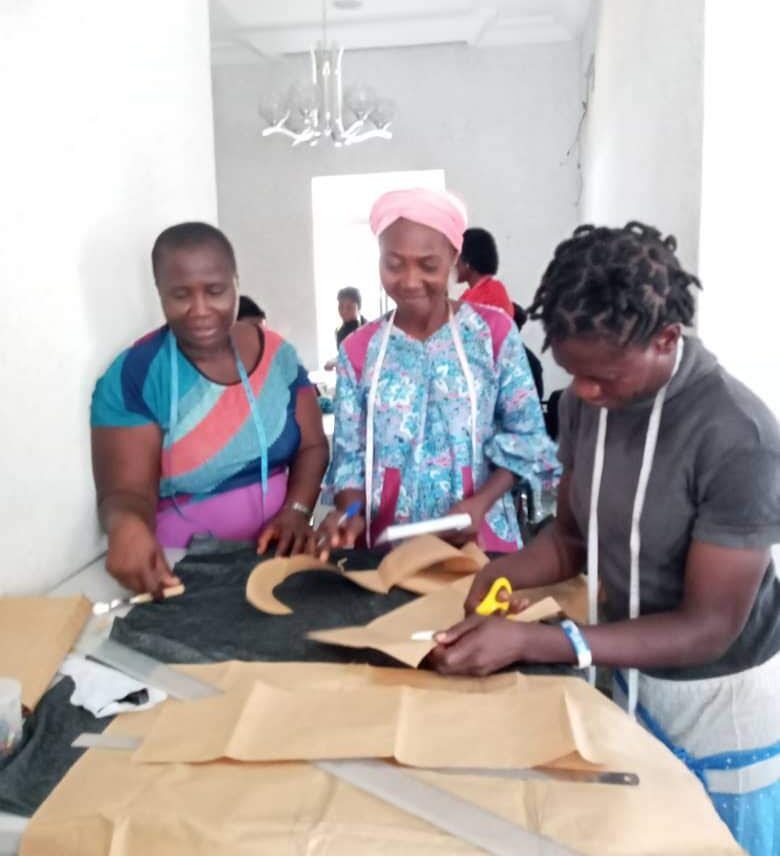
Skills development
Access to opportunities
Financial knowledge
Supportive community structures
According to UN Women, women’s economic empowerment is one of the most effective ways to reduce poverty and strengthen communities.
Skills vs Dependency
One of the biggest misconceptions about empowerment is that providing continuous aid automatically improves lives.
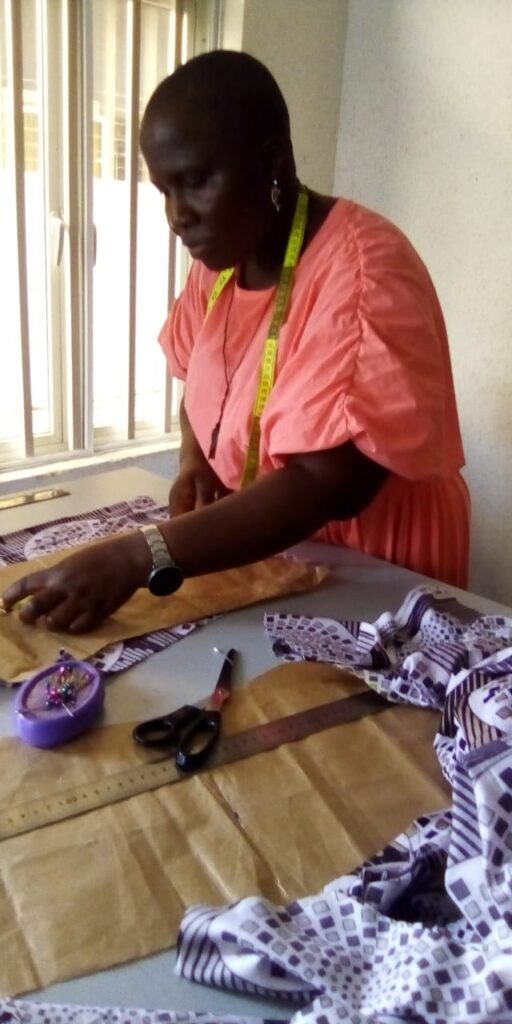
In reality, sustainable empowerment prioritizes skills and income opportunities.
When women gain practical skills, they can:
Start small businesses
Secure employment
Support their families
Build financial independence
Skills transform assistance into opportunity.
This shift—from dependency to capability—is the foundation of long-term empowerment.
The Importance of Financial Literacy
Financial literacy is a critical but often overlooked component of empowerment.
Many widows suddenly become responsible for managing household finances without prior experience. Without guidance, this can lead to financial vulnerability.
Financial education can help women learn how to:
Budget effectively
Save consistently
Manage small business income
Plan for long-term stability
Research from the World Bank indicates that financial inclusion and literacy significantly improve economic resilience among women in developing economies.
Emotional and Psychological Restoration
Empowerment is not only economic. It is also emotional and psychological.
Women who have experienced loss, financial hardship, or social stigma often carry deep emotional burdens.
Recovery requires:
Supportive community environments
Confidence rebuilding
Access to mentorship and guidance
Safe spaces for healing
According to the World Health Organization, social support and community engagement play a major role in mental and emotional recovery after traumatic life events.
Without emotional restoration, economic empowerment alone may not be sustainable.
Empowerment That Creates Lasting Change
True empowerment combines multiple forms of support:
Economic empowerment through skills and income opportunities
Financial literacy for long-term stability
Community support to reduce isolation
Emotional restoration to rebuild confidence
When these elements work together, women gain the ability not only to survive but to thrive.
At Bodice Foundation, empowerment is approached as a long-term process that focuses on stability, dignity, and independence.
Because when women are empowered, families become stronger, children gain better opportunities, and entire communities move forward.