

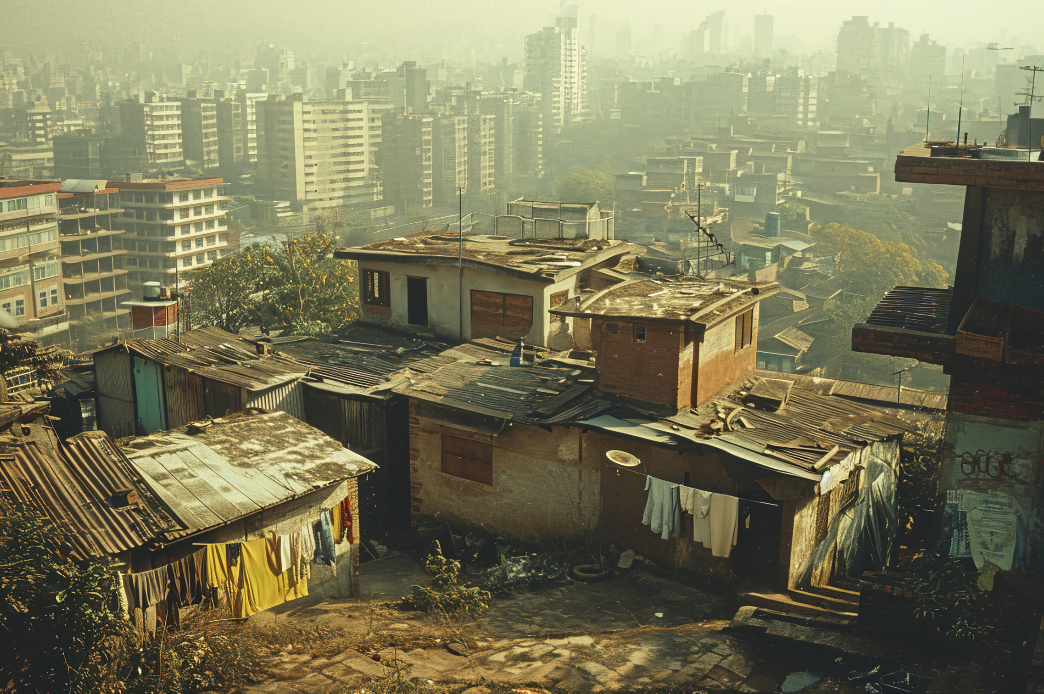
Why Safe Housing Is More Than Shelter: How Stability Changes Generational Outcomes in Nigeria
 Bodice Foundation
Housing is often discussed as a physical structure — a roof, four walls, a door.
But safe housing is far more than shelter. It is stability. It is security. It is the foundation upon which education, health, income, and dignity are built.
Across Nigeria, housing insecurity remains a major challenge. The Federal Mortgage Bank of Nigeria has estimated that Nigeria faces a housing deficit running into millions of units. When families cannot access safe, secure housing, the consequences ripple across generations.
This article explores why safe housing is not just about buildings — it is about breaking cycles of poverty.

Shelter vs Stability: What’s the Difference?
A shelter protects from rain and sun. Stability protects a future.
Shelter
Temporary accommodation
Overcrowded living spaces
Informal settlements without security
Short-term arrangements with eviction risk
Stability
Legal security of tenure
Safe environment for children
Access to utilities and sanitation
A fixed address for school and employment records
According to UN-Habitat, secure housing is central to sustainable urban development and poverty reduction. Housing stability allows families to plan, save, and grow.
Without stability, families remain in survival mode.
The Effects of Unstable Housing on Children
Children are often the silent victims of housing insecurity.
Research from the World Bank consistently links poverty and unstable living conditions to poor educational outcomes and reduced long-term earnings potential.
When housing is unstable:
1. Education Is Disrupted
Frequent relocation leads to school transfers
Interrupted academic progression
Higher dropout risk
A child who moves repeatedly struggles to build friendships, focus academically, or maintain consistency.
2. Health Risks Increase
Overcrowding and inadequate sanitation raise the risk of infectious diseases. According to World Health Organization, poor housing conditions contribute significantly to preventable illnesses in low- and middle-income countries.
3. Emotional and Psychological Stress
Housing instability creates anxiety. Children may feel unsafe, uncertain, or socially excluded.
Stability gives children space to grow. Instability forces them to cope.
Housing Insecurity and the Cycle of Poverty
Housing is directly connected to economic mobility.
When families lack secure housing:
Income is spent on emergency relocation
Savings are depleted
Business activities are disrupted
Employment becomes inconsistent
Without a stable base, building wealth becomes nearly impossible.
Economists widely recognize housing as a productive asset. Stable housing enables:
Access to credit
Ability to start home-based businesses
Improved job retention
Community networking opportunities
When housing remains unstable, poverty becomes cyclical.

How Safe Housing Changes Generational Outcomes
Safe housing does more than provide protection. It transforms futures.
1. Educational Continuity
Children remain in one school long enough to build academic foundations.
2. Financial Planning
Families can shift from survival spending to savings and investment.
3. Community Integration
Stable housing strengthens neighborhood relationships, which increases safety and economic opportunities.
4. Asset Building
Property ownership or secure tenancy builds long-term wealth potential.
The long-term impact is generational. Children raised in stable housing environments are statistically more likely to complete education and improve their economic standing compared to those raised in unstable conditions.

Why This Matters in Nigeria
Nigeria’s rapid urbanization has intensified housing pressures. Informal settlements continue to expand in major cities.
Addressing housing insecurity is not optional. It is essential to national development.
Safe housing is directly connected to:
Women empowerment
Education continuity
Health outcomes
Economic productivity
Housing is infrastructure for human potential.
A Holistic Response to Housing Insecurity
Addressing housing insecurity requires more than temporary relief.
It requires:
Secure housing provision
Legal advocacy and documentation support
Economic empowerment programs
Education assistance for affected children
This integrated approach prevents recurring crisis.
At Bodice Foundation, safe housing is viewed as a strategic intervention — not just an act of charity. Stability is the foundation upon which families rebuild dignity and opportunity.
Frequently Asked Questions
Stable housing reduces financial shocks, supports education, and enables income generation, all of which reduce long-term poverty risk.
It increases school dropout rates, emotional stress, and health risks, which can reduce lifetime earning potential.
Housing stability creates long-term structure. Cash assistance helps short-term needs, but stability builds foundations.
Final Reflection
A roof may keep rain away. But stability keeps poverty away.
When a family has safe housing, children study consistently, mothers plan financially, and communities grow stronger.
Housing is not just about buildings.
It is about dignity.
It is about opportunity.
It is about the future.